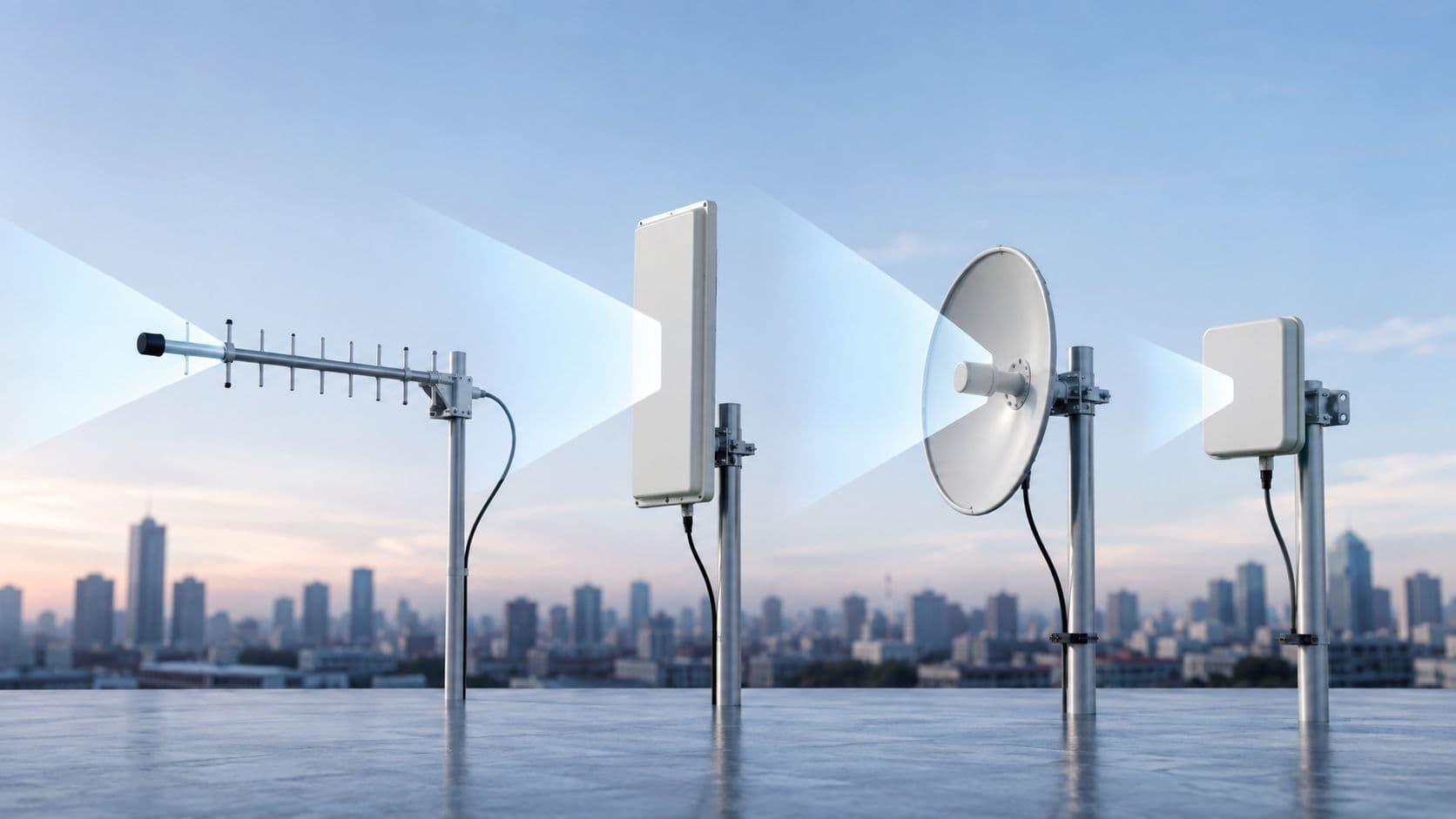
In a business where connectivity is currency, verbal promises on network performance no longer suffice. For organisations in hospitality, retail, and healthcare, unreliable WiFi is not just an inconvenience, it is a direct threat to revenue, guest satisfaction, and operational security. This is where a comprehensive Service Level Agreement (SLA) transforms ambiguity into accountability.
Key Takeaways: WiFi & Network SLA Essentials
- Core Uptime Standards: Enterprise WiFi and networking SLAs should mandate a minimum of 99.9% to 99.95% availability, measured from the end-user authentication perspective rather than raw hardware ping.
- Authentication Latency: Set clear sub-second thresholds for 802.1X and OpenRoaming logins to guarantee rapid, passwordless venue connectivity.
- Security & Compliance: Mandatory TLS 1.2+ encryption for data in transit, AES-256 for data at rest, and strictly enforced patch windows (24 to 48 hours for critical security vulnerabilities).
- Financial Accountability: Implement tiered service credits (e.g., 10% to 50% monthly bill credit) tied directly to verified downtime or SLA breaches.
An SLA is more than a legal document; it is a strategic blueprint that defines the precise standards of service, from uptime percentages to authentication speeds and security protocols. Without a clear service level agreements example to guide you, you risk operational disruptions, security vulnerabilities, and a poor user experience that can damage your brand. This guide moves beyond theory, providing eight detailed, ready-to-adapt SLA templates specifically designed for modern networking and WiFi services.
We will dissect each example, offering deep strategic analysis, tactical insights, and replicable methods to help you craft agreements that guarantee performance, secure your network, and deliver a seamless connectivity experience for staff and guests alike. Whether you're managing a hotel chain, a retail portfolio, or a hospital network, these examples will equip you to demand and verify the service levels your business deserves.
1. Network uptime & availability SLA template
The Network Uptime & Availability SLA is the bedrock of any service agreement for network services, including enterprise WiFi. It establishes a clear, quantifiable promise from the provider about how often the network will be accessible and operational. This is typically expressed as a percentage, such as 99.9% or 99.95%, over a given period, usually a month. For businesses where connectivity is critical, like a hotel relying on a WiFi authentication platform for guest check-in or a retail store processing payments, this is the most fundamental guarantee.

This type of service level agreements example is foundational because it directly addresses the core user expectation: the service works when needed. Cloud giants like AWS and Microsoft Azure have set the standard, with Azure App Service committing to 99.95% uptime and AWS guaranteeing similar levels for its EC2 instances. In the WiFi authentication space, Purple's platform guarantees 99.9% service availability across its vast network of venues, showing how this metric applies directly to user-facing services.
Strategic breakdown & actionable tips
When creating an uptime SLA, the details matter immensely. Vague terms can lead to disputes and unmet expectations.
Define "Downtime" Precisely: Does downtime begin when a single access point fails or when a user is unable to authenticate and access the internet? The best practice is to measure availability from the end-user's perspective. For instance, is the captive portal loading? Can a user successfully authenticate? This user-centric approach provides a more accurate picture of service quality than just monitoring hardware status.
Specify Exclusions and Maintenance: No service is available 100% of the time. Your SLA must clearly define what does not count as downtime.
- Scheduled Maintenance: Explicitly state the allowance for scheduled maintenance, for example, 4 hours per month.
- Notification Period: Require providers to give ample notice, such as 72 hours, before any planned maintenance window.
- Emergency Maintenance: Define the process and communication protocol for urgent, unplanned work.
Key Insight: A strong uptime SLA doesn't just promise availability; it creates a transparent operational framework. It forces a clear definition of what constitutes a service failure, how it's measured, and what the resolution process entails, building trust between the provider and the customer.
By formalising these points, you create a comprehensive service level agreements example that holds your provider accountable and ensures your network supports your business goals without interruption. As network management shifts towards flexible consumption models, understanding these agreements is more important than ever. You can explore how this fits into broader trends by reading about networking as a service and its implications for modern IT infrastructure.
2. Authentication performance & user experience SLA template
Beyond simple uptime, the Authentication Performance SLA addresses the quality and speed of the user's connection experience. This is crucial for services relying on WiFi authentication platforms, where a slow or failed login directly impacts customer satisfaction and operational efficiency. This agreement sets specific, measurable targets for how quickly and reliably users can authenticate to the network, whether they are guests, staff, or residents in a multi-tenant building.

This type of service level agreements example moves past basic availability to guarantee a good user experience. For instance, identity platforms like Okta and Microsoft Entra ID have set industry benchmarks, committing to 99.9% or higher uptime specifically for their authentication services. In the WiFi context, this translates to tangible goals, such as Purple's OpenRoaming certification, which enables sub-second seamless roaming. This ensures a passwordless, high-speed connection experience for users moving between tens of thousands of venues globally.
Strategic breakdown & actionable tips
A comprehensive authentication SLA requires precise definitions to be effective. Ambiguity about what constitutes a "successful" or "fast" login can quickly lead to disputes.
Define "Success" by User Type: Authentication success isn't a single metric. It should be measured and reported separately for distinct user groups (e.g., guest, staff, IoT device) as their authentication methods and network policies differ. A successful login should be defined as the full sequence: credential submitted, network access granted, and the first data packet encrypted.
Isolate and Specify Variables: Your SLA must distinguish between platform performance and external factors.
- External Dependencies: Clearly state that metrics exclude delays caused by the local ISP, on-site network hardware failures, or end-user device issues.
- Directory Sync: For enterprise setups, include specific timeframes for synchronisation with identity providers like Entra ID or Okta, as this directly affects user access.
- Roaming & Legacy: Track OpenRoaming success rates and iPSK provisioning speeds for older devices as separate, distinct metric categories to get a complete performance picture.
Key Insight: A granular authentication SLA provides a precise tool for managing user experience. It shifts the focus from "is the network on?" to "can users connect quickly and reliably?" This ensures the technology delivers on its promise of seamless, secure access, which is fundamental for customer-facing environments like retail and hospitality.
By formalising these metrics, you create a powerful service level agreements example that holds your provider accountable for the end-to-end user experience. This detailed approach ensures your WiFi authentication system is not just operational but genuinely effective, supporting everything from guest satisfaction to staff productivity.
3. Data security & encryption SLA template
In an environment where data breaches are a constant threat, the Data Security & Encryption SLA is a critical component of any service agreement, particularly for WiFi authentication platforms that handle user information. This agreement formalises a provider’s commitment to protecting data through specific security standards, encryption protocols, and compliance certifications. It serves as a contractual guarantee that data is secure from the moment it is transmitted, positioning the service as a safe alternative to insecure open networks.

This type of service level agreements example is essential for building trust and ensuring regulatory adherence. Major cloud providers set the precedent; for instance, AWS guarantees compliance with standards like SOC 2 Type II, while Microsoft Azure commits to meeting stringent regulations such as HIPAA and ISO 27001. In the identity management space, providers like Okta include SOC 2 audits and specific encryption protocols in their SLAs. Similarly, Purple's platform is built on a zero-trust architecture, ensuring first-packet encryption before authentication is even complete. Ensuring the integrity and confidentiality of data is paramount for any service, as detailed in discussions around cybersecurity best practices and protecting patient data.
Strategic breakdown & actionable tips
A security SLA must be explicit, leaving no room for interpretation. Ambiguity can expose your organisation to significant risk.
Define Encryption Standards Explicitly: Don’t accept vague promises of "strong encryption". The SLA must specify the required protocols and standards, such as mandating TLS 1.2 or higher for data in transit and AES-256 for data at rest. This includes a commitment to encrypting data from the first packet.
Detail Vulnerability Patching Timelines: A provider’s response speed to threats is a key indicator of their security posture. The SLA should categorise vulnerabilities and set firm deadlines for remediation.
- Critical: Patched within 24-48 hours.
- High: Patched within 7 days.
- Medium: Patched within 30 days.
Mandate Compliance and Audits: The SLA must require the provider to maintain relevant certifications (e.g., SOC 2 Type II, ISO 27001) and provide evidence. It should also include clauses for specific regulations like GDPR through a Data Processing Agreement.
Key Insight: A security-focused SLA moves beyond a simple promise and becomes a legally binding framework for risk management. It codifies the exact technical controls, response procedures, and compliance obligations, ensuring the provider is an active partner in protecting your data and reputation.
By formalising these security commitments, you hold your provider accountable for maintaining a comprehensive defence against cyber threats. You can find more detail on how a secure framework is implemented by reading about Purple's commitment to data and security. This approach ensures your network services not only perform well but also operate securely.
4. Customer support & incident response SLA template
Beyond raw uptime, a Customer Support and Incident Response SLA defines the human element of a service. It sets clear expectations for how and when a provider will assist customers when issues arise, from minor queries to critical outages. This operational agreement outlines everything from initial response times and escalation paths to target resolution times, ensuring businesses receive timely and effective support for their WiFi authentication platform or other network services.
This type of service level agreements example is crucial because it quantifies the provider’s commitment to problem-solving. Defining clear expectations for customer support and incident response is a core part of any SLA, often mirroring the services provided by managed IT support. Industry leaders set a high bar; for instance, AWS Support offers a 15-minute response time for business-critical issues, while Okta guarantees a one-hour response for its highest severity incidents. These benchmarks demonstrate a commitment to minimising disruption for customers.
Strategic breakdown & actionable tips
A comprehensive support SLA provides a clear framework for resolving issues, preventing small problems from escalating. Precision in your definitions is key to its effectiveness.
Define Severity Levels Explicitly: Ambiguity in issue severity leads to mismatched expectations. Create a clear, tiered system.
- Critical (Severity 1): Complete service outage, major revenue impact (e.g., guest WiFi authentication platform is entirely down).
- High (Severity 2): Significant service degradation (e.g., login is slow, affecting many users).
- Medium (Severity 3): Partial loss of non-critical functionality (e.g., analytics dashboard is not updating).
- Low (Severity 4): Minor issue or general question (e.g., a query about a specific feature).
Commit to Response and Resolution Times: These are two distinct metrics. Response time is how quickly support acknowledges the issue; resolution time is the target for fixing it. Be specific for each severity level, such as a 30-minute response and 4-hour resolution target for critical incidents.
Establish a Clear Escalation Path: Document the experience an issue takes, from initial contact to final resolution. A typical path is Level 1 support → Level 2 engineers → platform architects or a dedicated customer success manager for enterprise accounts. This ensures issues don't get stuck.
Key Insight: A strong support SLA isn't just about speed; it's about structured communication and accountability. Requiring proactive status updates every 30-60 minutes during a critical incident and a formal Root Cause Analysis (RCA) report within five business days of closure builds confidence and provides valuable insights for future prevention.
By formalising these support commitments, you ensure your provider is a true partner in maintaining service health. You can see how these principles are applied by reviewing the details of a provider’s customer support services.
5. Analytics & reporting SLA template
In a data-driven organisation, the value of a WiFi network extends far beyond simple connectivity. An Analytics & Reporting SLA guarantees the availability, accuracy, and timeliness of the business intelligence derived from the network. This agreement commits the provider to reliably collecting first-party WiFi data, ensuring integrations with systems like CRMs function correctly, and delivering the actionable insights needed to prove WiFi ROI and personalise customer journeys.
This type of service level agreements example is vital for marketing and operations teams who depend on network data. For instance, a retail chain uses footfall analytics to optimise store layouts, while a hotel uses guest data to power targeted marketing campaigns. Leading platforms set clear expectations: Google Analytics guarantees high data collection accuracy with a defined processing latency, while Salesforce provides SLAs covering report generation times and data integrity, demonstrating the importance of reliable business intelligence.
Strategic breakdown & actionable tips
A comprehensive Analytics & Reporting SLA must be precise, covering data from capture to consumption. Ambiguity here can lead to flawed business decisions based on incomplete or inaccurate information.
Define Data Accuracy and Completeness: Quantify what "accurate" means. Is it the percentage of WiFi authentication events successfully captured and logged? A strong SLA will commit to specific figures, such as 99% data completeness within 24 hours of a user's session, and include validation rules to flag anomalies.
Specify Timeliness and Latency: Differentiate between different types of data access.
- Real-time Analytics: Define latency for live dashboards, for example, data should appear in under 5 minutes.
- Historical Reporting: Set expectations for the availability of complete, processed data, such as a 24-hour window.
- Connector Syncs: Specify the frequency (e.g., hourly, daily) and error handling protocols for integrations with CRMs or marketing automation platforms.
Document Data Access and Retention: Clearly state how data can be accessed and for how long.
- Export Formats: Define supported formats like CSV, API access, and direct BI tool connectors.
- Retention Period: Specify how long historical data will be available, for instance, a minimum of 24 months.
Key Insight: An Analytics & Reporting SLA transforms your WiFi network from a cost centre into a strategic asset. It formalises the provider's responsibility to deliver not just a connection, but also the reliable business intelligence that flows from it, creating a clear link between network performance and business outcomes.
By formalising these metrics, you ensure the data feeding your business decisions is dependable and timely. This is particularly crucial for venues in hospitality and retail that use WiFi analytics to understand customer behaviour and drive revenue. Your SLA becomes the guarantee that your investment in a smart network will yield measurable returns.
6. Integration & interoperability SLA template
An Integration and Interoperability SLA guarantees that a service provider's platform will work reliably with a customer's existing technology stack. This is crucial in modern IT environments, where businesses rely on a mix of third-party systems, including network hardware (like Meraki, Aruba, or UniFi), directory services (such as Entra ID), and marketing platforms. This agreement provides assurance that the service will not become a data silo but will instead integrate seamlessly into the broader ecosystem.
This type of service level agreements example is vital for preventing compatibility issues that can disrupt business operations. For example, a WiFi authentication platform must reliably communicate with a hotel's property management system (PMS) or a retailer's CRM. Industry leaders set the standard here; Okta guarantees stability across hundreds of enterprise applications, while Cisco Meraki offers a 99.95% availability SLA for its cloud platform APIs, which are essential for custom integrations. Similarly, Purple certifies compatibility across a wide range of network vendors, ensuring its platform functions predictably for customers regardless of their hardware choice.
Strategic breakdown & actionable tips
A strong integration SLA moves beyond a simple promise of "compatibility" and into specific, measurable commitments that protect the customer's technology investments.
Define and Maintain a Compatibility Matrix: The SLA should reference a publicly available compatibility matrix that lists all supported hardware models, firmware versions, and software applications. This document must be regularly updated by the provider.
Guarantee API and Endpoint Performance: Compatibility is useless if the integration points are down. Your SLA must include performance guarantees for the integration mechanisms themselves.
- API Uptime: Commit to a specific API availability level, such as 99.9%+, and provide a public API status page for transparency.
- Response Times: Specify maximum response times for API endpoints under normal load, for instance, a 15-minute maximum for critical functions.
- Webhook Reliability: Define the retry logic for webhook delivery failures, such as using an exponential backoff strategy with a 24-hour maximum retention period.
Establish Clear Support and Versioning Policies: Integrations can break when underlying systems are updated. The SLA must outline how these changes are managed.
- Support Window: Require a minimum support window, like 12 months, for previous major software versions to give customers time to upgrade.
- Migration Guidance: The provider must document clear migration paths and offer guidance when compatibility-breaking changes are introduced.
- Sandbox Environment: Ensure the provider offers a testing environment for customers to develop and validate integrations without affecting their live production systems.
Key Insight: An effective Integration SLA operationalises compatibility. It shifts the burden of proof from the customer to the provider, forcing them to proactively test, document, and support the connections between their platform and the other critical tools a business uses.
By formalising these details, you create a comprehensive service level agreements example that de-risks the adoption of new services into a complex tech stack. It ensures that your chosen platform acts as a functional part of your ecosystem, not an isolated island, which is fundamental for achieving a cohesive and efficient operational workflow.
7. Deployment & implementation SLA template
A Deployment & Implementation SLA is a project-based agreement that defines the timeline, milestones, and commitments for bringing a new service online. Unlike operational SLAs focused on ongoing performance, this type guarantees rapid and predictable deployment, which is crucial for businesses in hospitality, retail, and healthcare seeking quick time-to-value. It provides a clear roadmap from planning and configuration to testing and the final production launch, turning a complex project into a manageable, time-bound process.
This type of service level agreements example is vital for any project where speed to market is a competitive advantage. It sets clear expectations for both the provider and the customer, ensuring resources are aligned and goals are met within the agreed-upon timeframe. SaaS leaders have championed this model, with Okta guaranteeing 30-day implementation for standard deployments and Salesforce implementing its CRM for mid-market clients in 8-12 weeks. Similarly, Purple offers a 2-6 week deployment for its WiFi authentication platform, enabling venues to quickly launch guest services.
Strategic breakdown & actionable tips
A strong implementation SLA prevents project delays and ensures a smooth transition to live service. The details are what separate a successful launch from a frustrating one.
Define Clear Project Phases: Break the entire project into distinct, time-bound phases. This creates accountability and makes progress easy to track. A common structure includes:
- Assessment & Planning: (e.g., 1 week) Define scope, goals, and technical requirements.
- Design & Configuration: (e.g., 1-2 weeks) Build the solution based on the plan, using pre-built templates for common venue types like hotels or shops to speed up the process.
- Deploy & Test: (e.g., 1-3 weeks) Install and validate the solution in a controlled environment before going live.
- Go-Live & Stabilisation: (e.g., 2 weeks) Launch the service and provide heightened support to address any immediate issues.
Establish Mutual Responsibilities: An implementation is a partnership. The SLA must clearly outline what is required from the customer, such as providing access to systems, appointing a project lead, and ensuring personnel are available for training. This prevents delays caused by one party waiting on the other. A dedicated implementation manager from the provider's side should be assigned to manage the project.
Key Insight: A deployment SLA is more than a timeline; it's a shared commitment to a successful launch. By documenting everything from configuration decisions in a runbook to providing staff training and defining escalation paths for timeline risks, it builds a foundation for long-term operational success and a strong provider-customer relationship.
By formalising these elements, you ensure that the go-live date is not just a target but a well-managed outcome. This makes the implementation SLA an essential service level agreements example for any organisation adopting new technology. Post-launch, a scheduled review within 30 days helps transition from a project focus to an operational one, ensuring continuous optimisation.
8. Service credits & remediation SLA template
A Service Credits & Remediation SLA defines the financial consequences for a provider failing to meet its service commitments. This clause is not just about punishment; it’s a powerful mechanism for aligning the provider's incentives with the customer's need for consistent performance. By establishing a clear, predetermined compensation structure, it provides financial accountability for SLA breaches, such as downtime, and protects the customer from paying full price for a subpar service.
This type of service level agreements example is crucial for creating a fair and balanced partnership. It moves the agreement from a simple promise to a financially backed guarantee. Major cloud providers have set the standard here. For instance, AWS and Azure offer tiered service credits for uptime failures. If Azure's availability drops below 99.9% but stays above 95%, customers receive a 25% credit. Salesforce takes this further by automatically issuing credits for certain documented uptime violations, reinforcing trust through proactive remediation.
Strategic breakdown & actionable tips
A well-crafted remediation clause ensures that penalties are meaningful and the process for claiming them is straightforward. Ambiguity can lead to disputes and leave customers feeling short-changed.
Implement a Tiered Credit Structure: A graduated scale makes the penalty proportionate to the severity of the service failure. A minor dip in performance shouldn't trigger the same credit as a major outage.
- Example Tiers: Consider 10% credit for uptime between 99% and 99.9%, 25% for 95% to 99%, and 50% or more for availability below 95%.
- Calculation Method: Define how credits are calculated, typically on a pro-rata basis: (Downtime in minutes / Total minutes in the month) × Monthly Fee × Credit Percentage.
Establish Clear Processes and Exclusions: The procedure for claiming credits and the conditions under which they don't apply must be explicit.
- Claim Window: Require customers to submit claims with supporting evidence, like logs or screenshots, within a reasonable timeframe, such as 30 days of the incident.
- Defined Exclusions: Clearly list what doesn’t qualify for a credit, such as failures caused by customer misconfiguration, third-party network problems, or scheduled maintenance.
- Automatic Credits: For easily verifiable metrics like server uptime, consider applying credits automatically when a breach is confirmed, which builds significant customer goodwill.
Key Insight: Service credits aren't just about getting money back; they are a tool to drive provider behaviour. An effective remediation clause motivates the provider to invest in resilience and transparently report on performance, as there are direct financial implications for failure. This turns the SLA into an active management instrument.
By formalising these financial stakes, you ensure your service level agreements example has genuine authority. It creates a system where the provider is financially motivated to maintain high standards, ensuring the service you depend on is reliable and performance issues are addressed with urgency.
Frequently asked questions about network SLAs
What is a Service Level Agreement (SLA) in enterprise networking?
A Service Level Agreement (SLA) is a contract between a network service provider and a customer that defines specific performance metrics, including uptime availability, authentication speeds, latency, support response times, and financial remedies for downtime.
What is the standard uptime SLA for business WiFi and network services?
Standard enterprise network SLAs mandate between 99.9% (approximately 43.8 minutes of downtime per month) and 99.95% availability. Critical environments like healthcare and retail banking often demand 99.99% uptime.
How are SLA service credits calculated for network downtime?
Service credits are calculated as a percentage of the customer's monthly bill based on the severity and duration of the outage. For example, an uptime drop below 99% may trigger a 25% credit, while availability below 95% often results in a 50% to 100% monthly bill credit.
Why are authentication speed SLAs essential for venue WiFi?
Slow WiFi authentication leads to user drop-offs, venue friction, and lower guest portal engagement. An authentication SLA guarantees login latency under two seconds and ensures directory synchronisation performs reliably across all access points.
8 SLA template comparison
From template to treaty: Making your SLAs work for you
The experience from a blank page to a signed contract is where the true value of a service level agreement is forged. We've explored a variety of service level agreements example templates, each designed to address a critical component of your network and WiFi services, from raw uptime to the nuances of user authentication and data security. These documents are more than just legal formalities; they are the strategic blueprints for a successful, reliable, and secure digital environment.
The common thread weaving through each example, whether it’s the Network Uptime SLA or the Customer Support & Incident Response framework, is the principle of explicit accountability. Vague promises of "high performance" or "good support" are replaced with concrete, measurable, and enforceable metrics. This shift is fundamental. It transforms the provider-client relationship from a simple transaction into a genuine partnership, where both parties are aligned towards the same operational goals.
Beyond the boilerplate: Key strategic takeaways
As you move to adapt these examples for your organisation, keep these core principles at the forefront of your strategy. They represent the difference between an SLA that gets filed away and one that actively works to protect your interests and elevate your service delivery.
- Quantify Everything: The most powerful SLAs are built on numbers. Move beyond qualitative descriptions and insist on quantifiable KPIs. For instance, instead of "fast WiFi," specify a maximum latency of 50ms and a minimum throughput of 100 Mbps per user. This specificity removes ambiguity and sets a clear, objective standard for performance.
- Context is King: A one-size-fits-all approach is a recipe for failure. The hospitality SLA prioritising guest experience with seamless authentication is fundamentally different from a healthcare SLA where security and compliance (like GDPR) are paramount. Each service level agreements example must be customised to your specific operational realities, user needs, and regulatory obligations.
- Measurement Defines Reality: An unmeasured KPI is merely a suggestion. For every metric you define, you must also define how it will be measured, who will measure it, and how often it will be reported. This closed-loop system ensures that the agreement has teeth and that performance is consistently tracked against the established benchmarks.
- Consequences Drive Compliance: A comprehensive SLA must include a clear "remedies" or "service credits" clause. This isn't about being punitive; it's about creating a financial incentive for the provider to maintain the agreed-upon service levels. These clauses ensure that when performance dips, the impact is shared, motivating swift resolution and preventative action.
Your action plan for implementation
Adopting these templates is the first step. The real work begins now. A well-crafted SLA is a living document, not a static contract destined for a dusty filing cabinet. It must be actively managed to deliver ongoing value.
- Conduct a Baseline Audit: Before negotiating with any provider, understand your current performance. Use network monitoring tools to gather data on your existing uptime, latency, and user satisfaction. This data will be your most powerful negotiation tool.
- Prioritise Your KPIs: You cannot focus on everything at once. Identify the top 3-5 metrics that have the most significant impact on your business operations or customer experience. Is it uptime for point-of-sale systems in retail? Is it authentication success rates for guests in a hotel? Focus your energy there first.
- Engage in Collaborative Negotiation: Approach your provider as a partner, not an adversary. Use the templates from this article as a starting point for discussion. A good provider will welcome the clarity and be willing to work with you to establish realistic and meaningful targets.
- Establish a Review Cadence: Schedule regular, recurring meetings (e.g., quarterly) to review performance reports against the SLA. This is your forum to address shortfalls, discuss upcoming needs, and proactively adjust the agreement as your business evolves.
By mastering these concepts, you transform your network infrastructure from a simple utility into a strategic asset. You build a foundation of reliability and trust that directly supports your core business objectives, enhances customer satisfaction, and protects your bottom line. An effective SLA isn't just about avoiding problems; it’s about creating an environment where excellence is the expected, and guaranteed, standard.
Ready to deploy a WiFi service backed by guaranteed SLA performance?
The Purple cloud management platform is engineered for high availability and strict security, ensuring your venue meets and exceeds demanding networking SLAs. Get in touch with our engineering team to review your venue requirements.