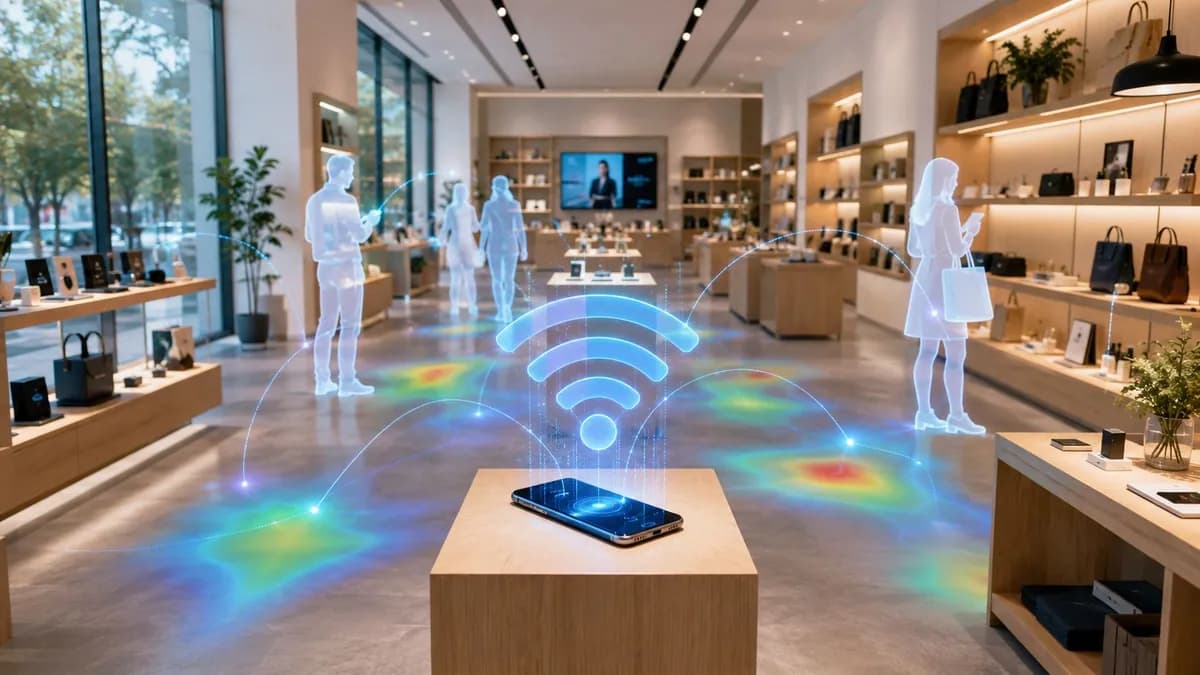

Most supermarkets offer WiFi to shoppers, but few use modern network architecture to improve shopper experience and store operations. In grocery retail and supermarket chains, reliable connectivity is no longer just a perk - it is a critical asset that drives footfall, increases dwell time, and supports in-store digital operations.
Key takeaways: Supermarket & grocery WiFi architecture
- First-party shopper data capture: Convert store visitors into verified CRM contacts using GDPR-compliant splash pages during guest login. Read our WiFi marketing guide.
- POS & operational VLAN segmentation: Isolate public shopper WiFi from internal barcode scanners, inventory databases, and point-of-sale (POS) terminals to protect PCI-DSS compliance.
- In-store footfall analytics: Analyse shopper dwell times, aisle traffic flow, and repeat visit frequency across store locations. Learn more in our WiFi analytics guide.
- App & loyalty integration: Connect captive portals directly to supermarket mobile apps, digital coupons, and store loyalty systems. Review our captive portal guide.
- Enterprise hardware compatibility: Purple runs as a cloud overlay across existing access points from Cisco Meraki, HPE Aruba, Ruckus, Juniper Mist, and Ubiquiti UniFi. Explore our big box retail WiFi solutions.
Why supermarkets need purpose-built WiFi architecture
Grocery shoppers frequently rely on smartphones to check shopping lists, compare prices, access digital coupons, and use store loyalty programmes. Providing fast, seamless connectivity keeps shoppers in store longer and encourages higher basket values. Modern supermarket WiFi delivers four core business advantages:
- Increases dwell time & sales: Shoppers who stay connected spend more time browsing aisles, leading to increased impulse purchases.
- Captures first-party customer data: Collect GDPR-compliant email addresses and demographic insights when shoppers connect through branded splash pages.
- Generates actionable footfall analytics: Track store traffic patterns, peak shopping hours, aisle popularity, and repeat customer rates across your retail estate.
- Supports store operations: Provide dedicated, secure bandwidth for wireless handheld inventory scanners, mobile POS devices, and electronic shelf edge labels.
WiFi for shoppers: turning connectivity into retail engagement
Basic open WiFi networks offer no visibility or security. By deploying a managed guest network through Purple, supermarkets turn passive shopper internet access into a direct customer communication channel. Explore our comprehensive guest WiFi guide for broader deployment strategies.
1. Frictionless login with branded splash pages
Welcome shoppers with a clean, branded captive portal customized to your supermarket chain. Allow shoppers to log in using single-click email registration, social profiles, or loyalty account credentials. Highlighting weekly promotions or mobile app downloads directly on the landing page boosts app adoption.
2. Privacy-compliant shopper data & behaviour insights
Purple's analytics engine turns WiFi signals into retail intelligence while respecting user privacy. Supermarket operators can analyse:
- Footfall volumes and entry-to-exit customer paths.
- Average dwell times per department (produce, bakery, electronics).
- Repeat visit frequency and cross-store shopping patterns.
- Customer satisfaction ratings via real-time micro-surveys.
WiFi for store operations & inventory management
While shoppers benefit from guest WiFi, supermarket staff rely on wireless networks behind the scenes. High-density grocery stores require robust bandwidth allocation to maintain seamless operations.
1. Operational network segmentation
Security is critical in retail environments. Supermarkets must separate public shopper WiFi from corporate systems managing inventory, pricing, and payments. Using Virtual LANs (VLANs) and firewalls ensures guest traffic cannot access internal point-of-sale (POS) systems or cardholder data, maintaining strict PCI-DSS compliance.
2. Handheld scanners & inventory tracking
Modern stock management relies on real-time database updates. Wireless barcode scanners, stock replenishment tablets, and electronic shelf labels require reliable connection across every aisle, including cold storage zones and stockrooms.
3. Queue management & staff communication
WiFi-connected sensors and camera feeds enable store managers to monitor queue lengths at checkouts in real time, automatically notifying staff to open additional registers when customer volume surges.
Supermarket WiFi deployment models compared
| Deployment Model | Shopper Experience | Data & Analytics | Security Profile | Best Suited For |
|---|---|---|---|---|
| Cloud Overlay (Purple) | Branded splash page & app integration | Comprehensive footfall & CRM capture | Isolated VLAN, ISO 27001 & GDPR compliant | Supermarket chains, grocery stores & hypermarkets |
| Managed Hardware WiFi | Custom access portal | Basic connection reporting | Enterprise firewall & RADIUS | Large retail estates with dedicated internal IT teams |
| Unmanaged Open WiFi | Basic passwordless connection | None (Zero shopper insights) | Unsecured / High risk to POS systems | Not recommended for commercial retail venues |
For detailed retail use cases, review our specialized guides on big box retail WiFi and high street retail connectivity.
Frequently asked questions about supermarket WiFi
Can guest WiFi run safely alongside supermarket POS systems?
Yes. Guest WiFi traffic is completely segregated from point-of-sale terminals, inventory databases, and card processing hardware using isolated Virtual LANs (VLANs) and strict firewall access policies, maintaining PCI-DSS compliance.
What data does supermarket guest WiFi collect?
With explicit user opt-in, Purple captures shopper contact details (email addresses, phone numbers), visit duration, repeat visit frequency, and footfall heatmaps. All data collection adheres strictly to GDPR and CCPA regulations.
Do supermarkets need new hardware to install Purple?
No. Purple is hardware-agnostic and acts as a cloud overlay on top of existing enterprise wireless infrastructure, including Cisco Meraki, HPE Aruba, Ruckus, Juniper Mist, and Ubiquiti UniFi access points.
How does supermarket WiFi integrate with retail CRMs and loyalty apps?
Purple features native integrations with CRMs and marketing platforms like Salesforce, HubSpot, Microsoft Dynamics 365, and custom store app APIs to push captured shopper data directly into marketing workflows.
Transform supermarket WiFi into a shopper retention engine
Capture first-party shopper data, analyze store footfall, and secure operational networks across all your supermarket locations.